Room-by-room clarity
Colors, sheen, surfaces, and exclusions can be confirmed before the first can is opened.
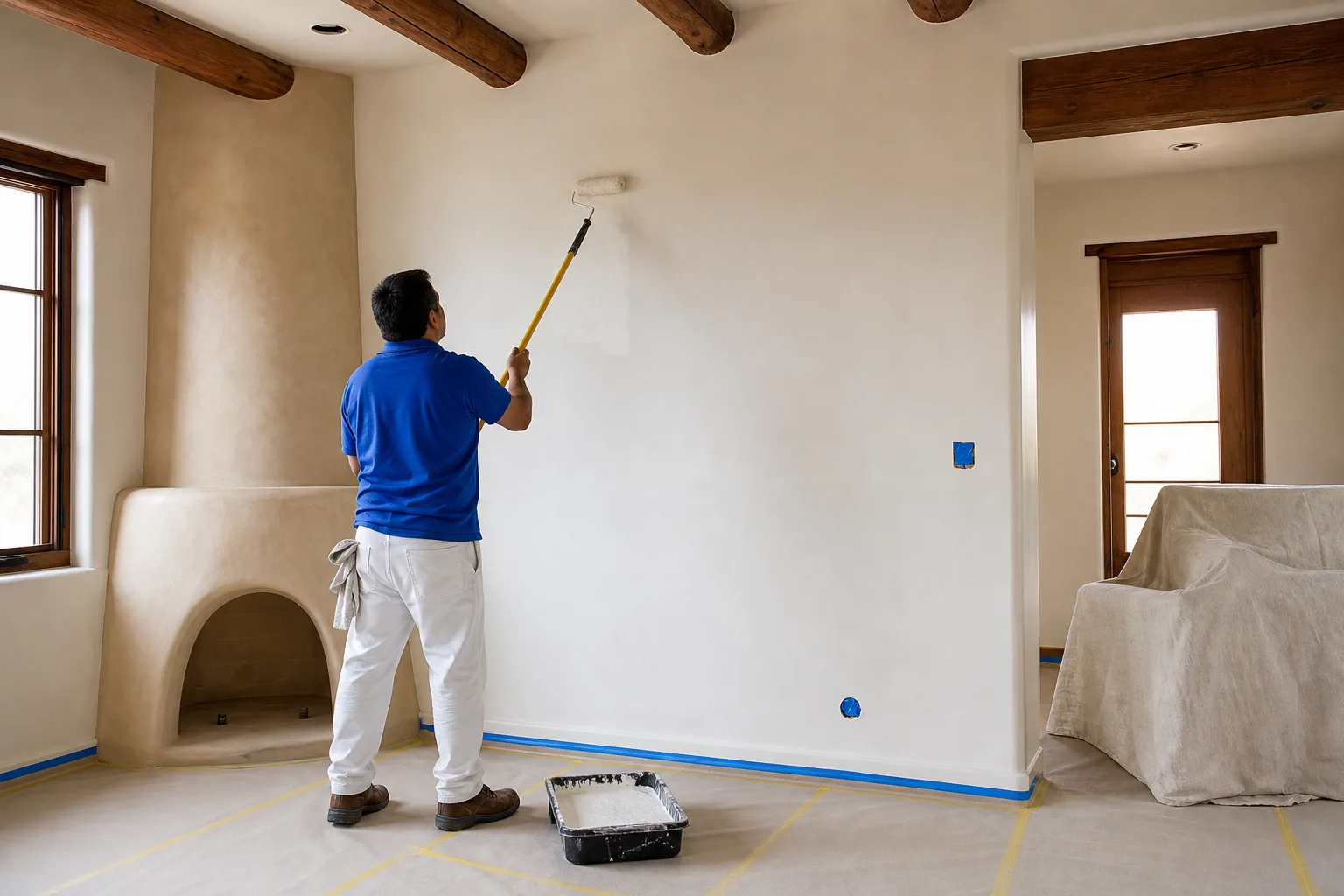
Interior painting for walls, ceilings, trim, doors, and repaired surfaces, completed with careful protection and attention to the way light reveals the finish.
A good interior repaint begins with the surface, not the color card. Nail holes, cracks, stained areas, failed caulk, glossy trim, and old touchups can all show through the final coat. The scope separates routine prep from drywall or texture repair so expectations stay clear.
Bright high-desert daylight can emphasize sheen changes, ridges, and uneven patching. Dry indoor air and heated winter rooms also affect working and drying conditions, so the application plan follows the product directions and the conditions in the room.
Colors, sheen, surfaces, and exclusions can be confirmed before the first can is opened.
Protection and practical sequencing help limit disruption in occupied homes.
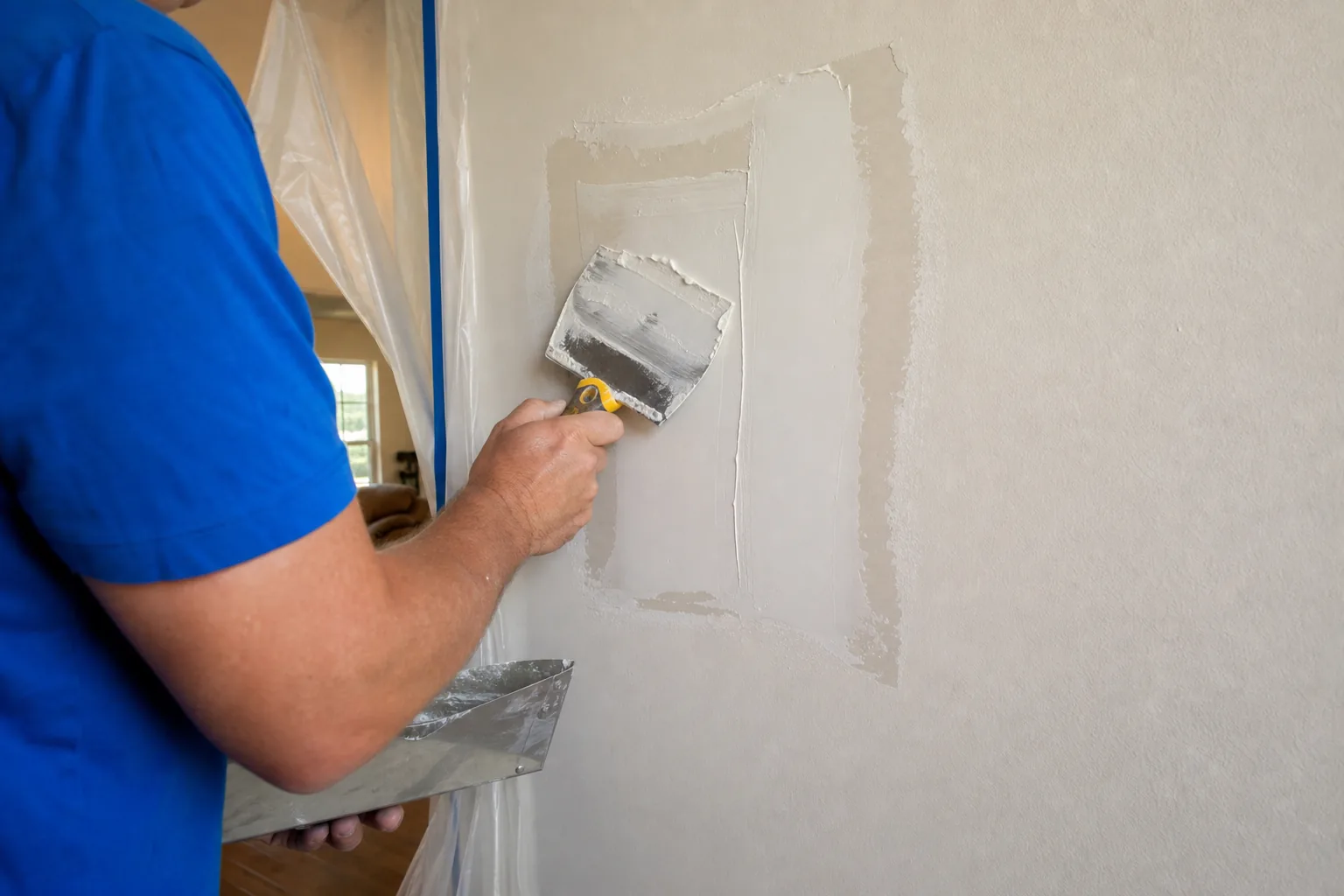
Drywall, wall, ceiling, and texture defects can be addressed before paint highlights them.
Every property is different. Your estimate should identify the exact surfaces, preparation, materials, access, finish steps, and known exclusions for the project.
Discuss My ProjectBrands and exact systems are selected for the surface and identified during planning; no single product is right for every project.
Juan performs the work himself, so the information gathered at the start stays connected to the preparation, materials, and finished surface.
Surfaces, colors, sheen, repairs, furniture, pets, and access are reviewed together.
Adjacent finishes are covered or masked, and agreed repairs and surface preparation are completed.
Primer and paint are applied using methods appropriate to the surface and occupied space.
Protection is removed, details are checked in normal lighting, and the room is cleaned for use.
Not sure whether this service fits? Describe the damage or finish, project address, surfaces involved, and the result you want. Juan will follow up with the right next step.
Ask about your project →These answers explain common decisions. The conditions at your property and the agreed project scope control the final recommendation.
The best choice depends on washability, room use, lighting, and wall condition. Flatter finishes can be more forgiving; higher sheens are often easier to clean but can reveal imperfections.
Often, yes. Room sequence, ventilation, work hours, pets, children, and sensitivity to odor should be discussed before scheduling so the plan fits the household.
Stains should be evaluated first. The source needs to be corrected, the area must be dry, and a compatible stain-blocking primer may be needed before finish paint.
Yes, when those surfaces are included in the estimate. They may require different preparation, primer, sheen, and application methods than the walls.
Contact Juan directly or send the estimate form. He’ll follow up to understand the work and confirm the next step.